
AI Traffic Monitoring & Vehicle Intelligence
Obzerve Traffic turns your existing cameras into an AI-powered traffic management system — reading license plates, counting and classifying vehicles, detecting red-light and parking violations, and monitoring parking occupancy in real time.
Intelligent Traffic. Automated Enforcement.
Most roads, gates and parking areas already have IP cameras, but their footage is only reviewed after something goes wrong. Obzerve Traffic adds AI video analytics to those cameras so every vehicle is detected, identified and tracked as it moves through the scene.
The result is a single intelligent traffic management system for license plate recognition, vehicle analytics, traffic violation detection and smart parking — giving operators live alerts, searchable vehicle records and traffic flow data to improve mobility, security and day-to-day operations.
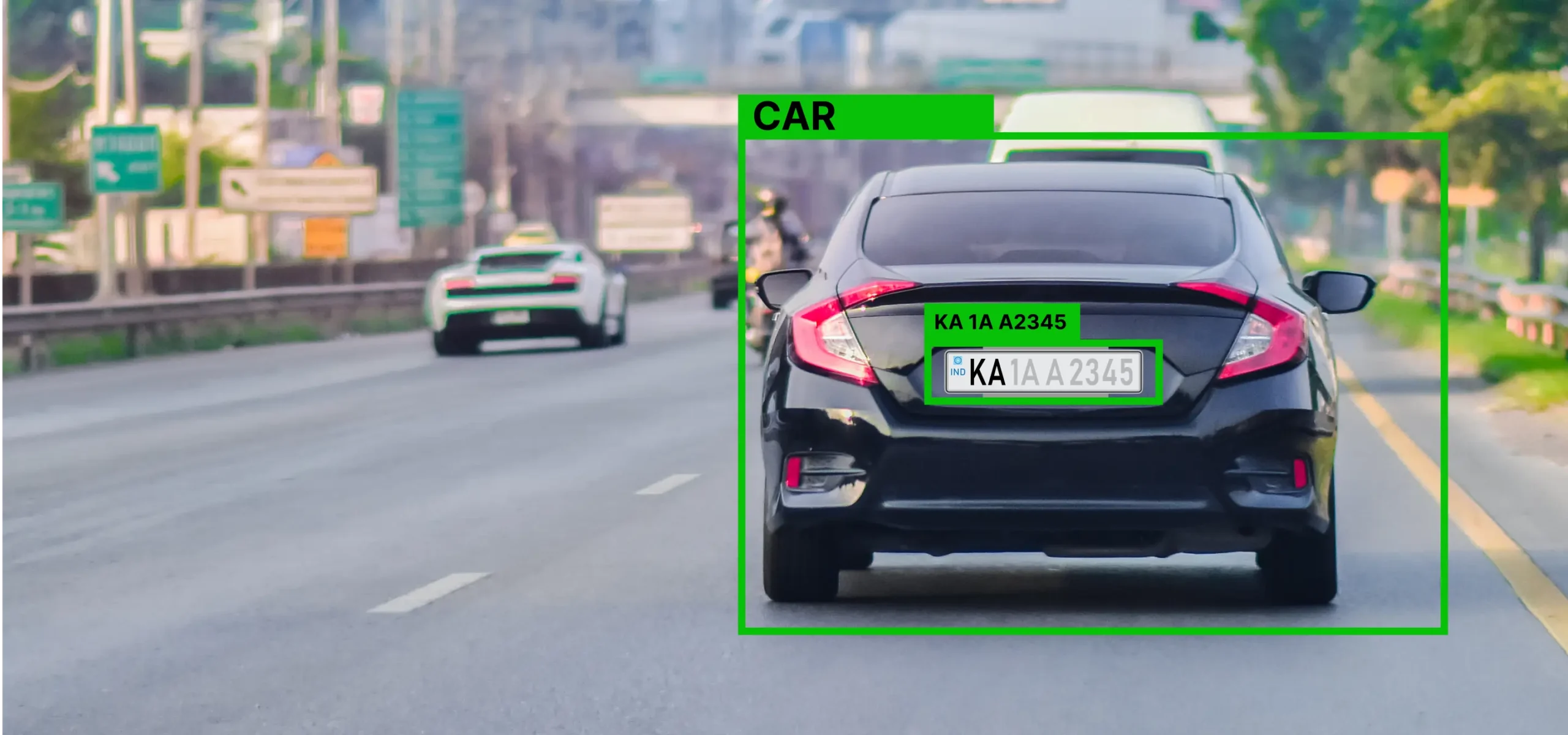
License Plate Recognition (LPR/ALPR)
Key Capabilities
- High-accuracy plate reading — Recognizes plates as small as 200×100 pixels, including all standard plate formats.
- Vehicle identification — Captures make, model and color alongside plate number.
- Whitelist/blacklist management — automatic access and alerts.
- Multi-lane monitoring — Reads plates across multiple lanes from a single deployment.
- Direction detection — Records each vehicle’s direction of travel to separate entries from exits.
- Vehicle metadata — Stores plate, timestamp, camera, direction and image for every vehicle.
Configuration Options
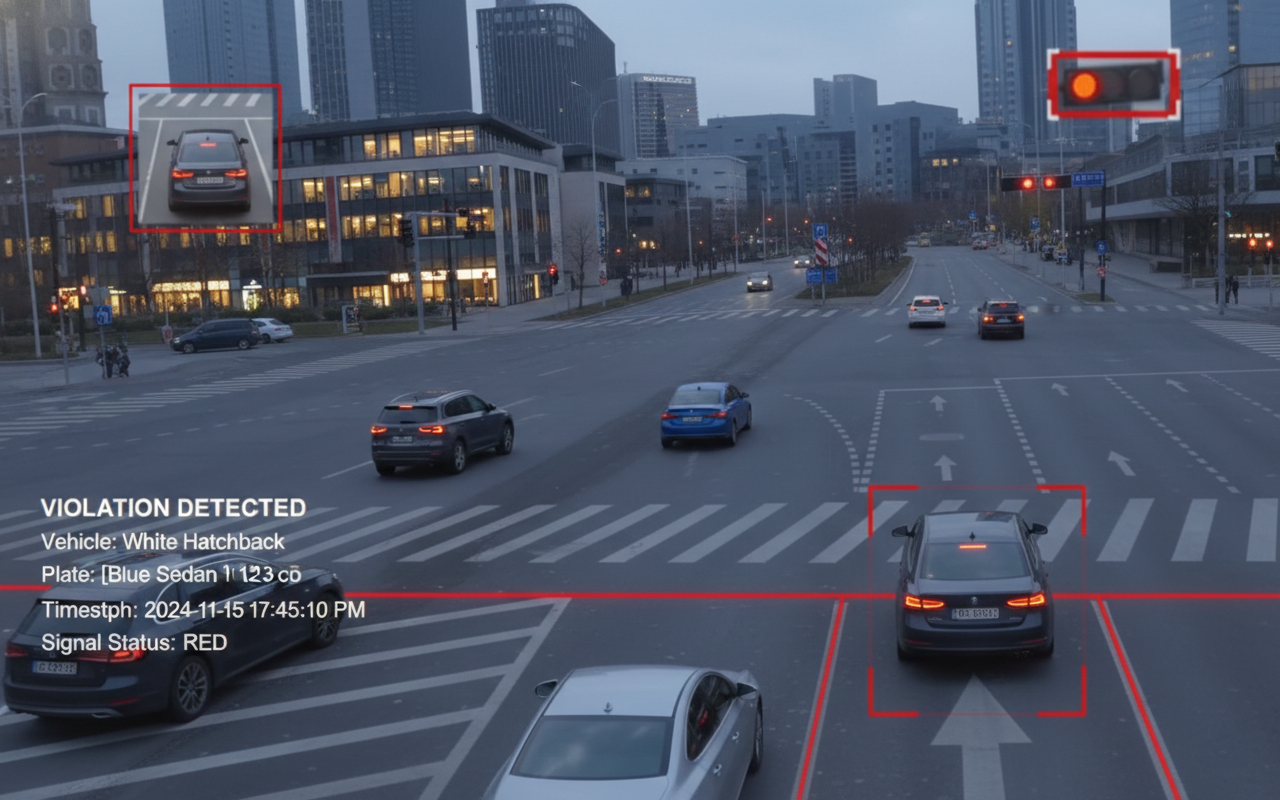
Red Light Violation Detection
Key Capabilities
- Signal synchronization — Reads the live traffic light status so violations are judged against the actual signal phase.
- Detection zones and stop lines — Stop lines and intersection boundaries are defined for each approach.
- Multi-lane monitoring — Tracks every lane at the junction simultaneously.
- License plate capture — Reads the plate of each violating vehicle.
- Violation evidence — Saves vehicle details, timestamp and images for every event.
Configuration Options
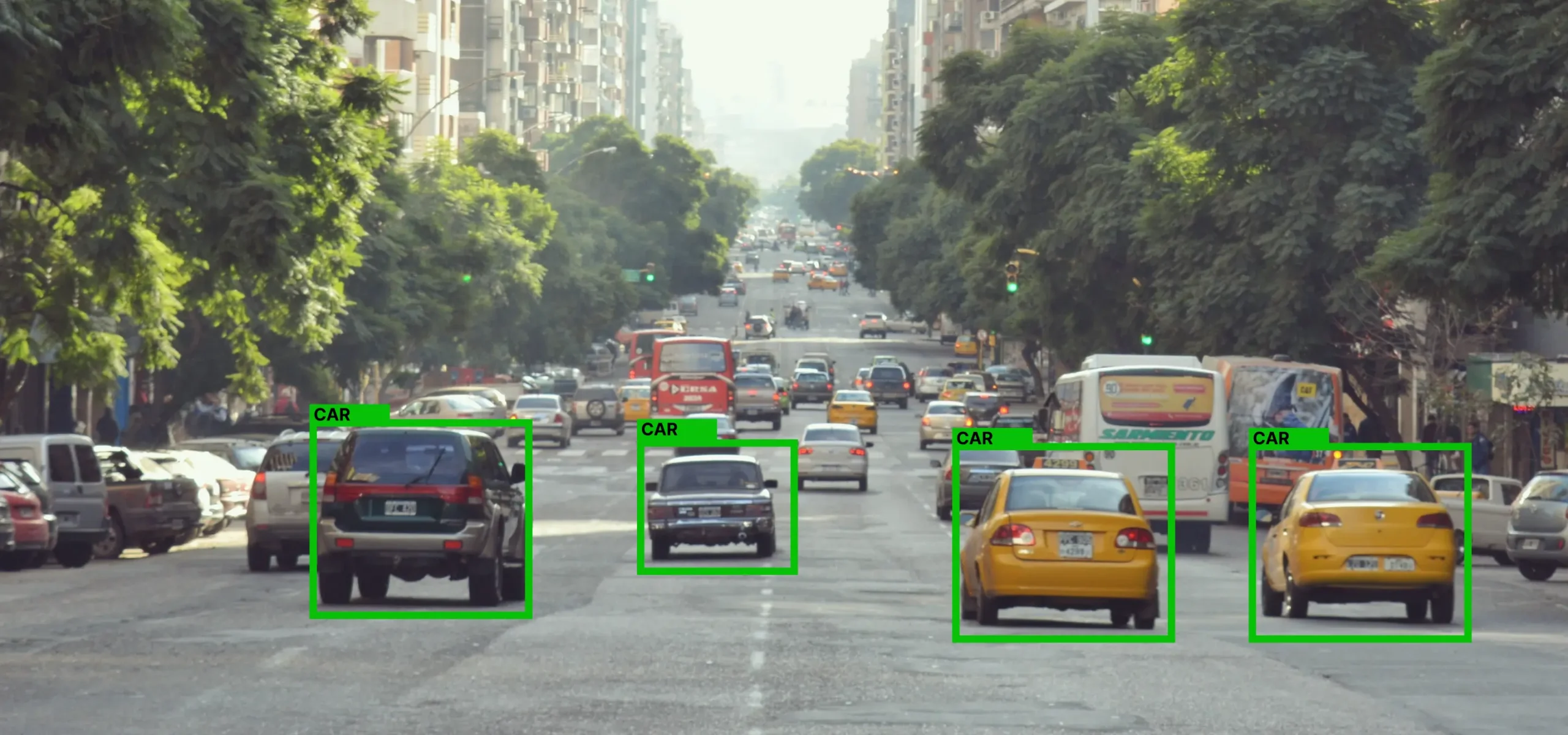
Vehicle Analytics & Insights
Key Capabilities
- Vehicle counting — Counts vehicles crossing defined lines, with separate entry and exit totals.
- Vehicle classification — Sorts vehicles into configurable categories for traffic mix analysis.
- Speed estimation — Estimates vehicle speed and flags vehicles that exceed a set threshold.
- Dwell-time analysis — Measures how long vehicles remain in a zone, such as gates, loading bays or drop-off points.
- Directional traffic analysis — Shows how traffic flows through junctions, entrances and roads, including peak periods.
Configuration Options
Counting lines, detection zones, vehicle categories, and speed thresholds.
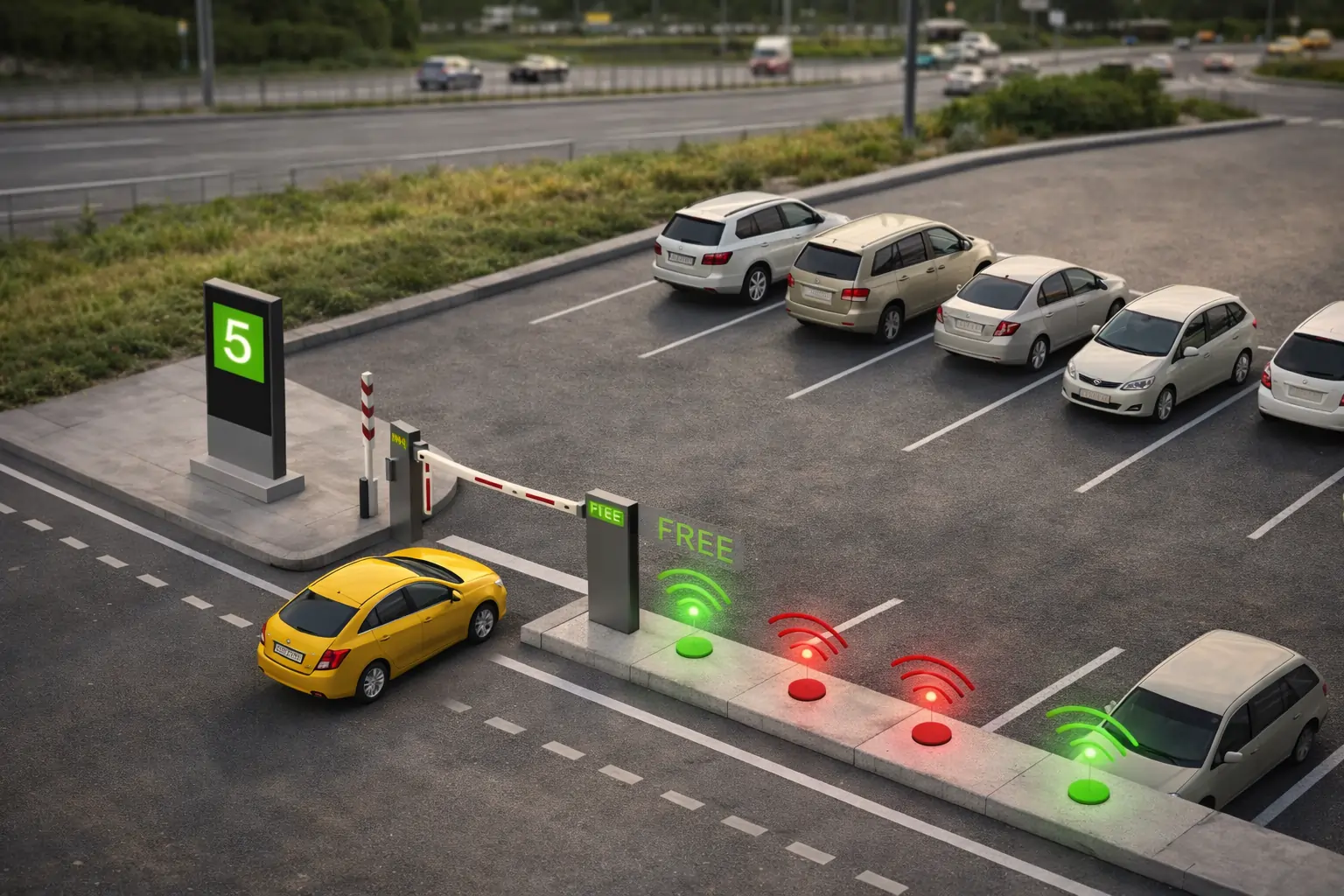
Smart Parking Solutions
Key Capabilities
- Parking occupancy detection — Monitors each mapped parking space and reports whether it is free or occupied in real time.
- Park Assist — Uses live occupancy data to guide drivers to available spaces.
- No-parking enforcement — Detects vehicles stopped in designated no-parking zones.
- Parking violation detection — Flags overstays and other breaches of the time limits and rules you set.
- Space utilization insights — Reports on occupancy trends and peak demand to support capacity planning.
Configuration Options
Space definition, occupancy thresholds, time limits, and violation rules.
Performance & Requirements
Detection & Recognition Performance
Fast & Accurate AI Recognition
- 200×100 px plate accuracy
- Real-time processing
- Multi-vehicle tracking
- 24/7 continuous operation
System Requirements
Simple Edge Deployment
- RTSP IP camera support
- Obzerve Edge Box included
- Network + power required
- Real-time dashboard sync
Camera Positioning Guidelines
Optimal Installation Setup
- Angle: 15° – 30°
- Height: 8 – 10 ft
- Distance: Lens based
- Lighting: Adequate / IR optional
Powerful Controls, Simple Interface
LPR Settings:
Recognition confidence threshold adjustment
Character set and format validation (regional rules)
Multi-plate handling per vehicle
Plate cleaning and normalization rules
Image quality requirements
Whitelist import/export (authorized vehicles)
Blacklist import/export (restricted vehicles)
Bulk upload via CSV/Excel
Real-time list updates
Expiration date management for temporary access
Area of Interest (AOI):
Draw detection zones for plate capture
Multiple zones per camera (entry/exit lanes)
Inclusion/exclusion area definition
Zone-specific rules and sensitivity
Counting Lines:
Virtual lines for directional counting
Entry vs. exit differentiation
Multi-lane line configuration
Crossing direction detection
Parking Space Mapping:
Individual space definition
Zone-based grouping
Space numbering and labeling
No-parking zone marking
Dashboard Configuration:
Real-time metrics display
Historical trend charts
Custom date range reports
Vehicle type breakdowns
Peak time analysis
Report Generation:
Scheduled automatic reports
Custom report templates
Multi-format export (PDF, CSV, Excel)
Email delivery options
API-based data retrieval
Real-World Applications
See how organizations transform operations with Obzerve Traffiq
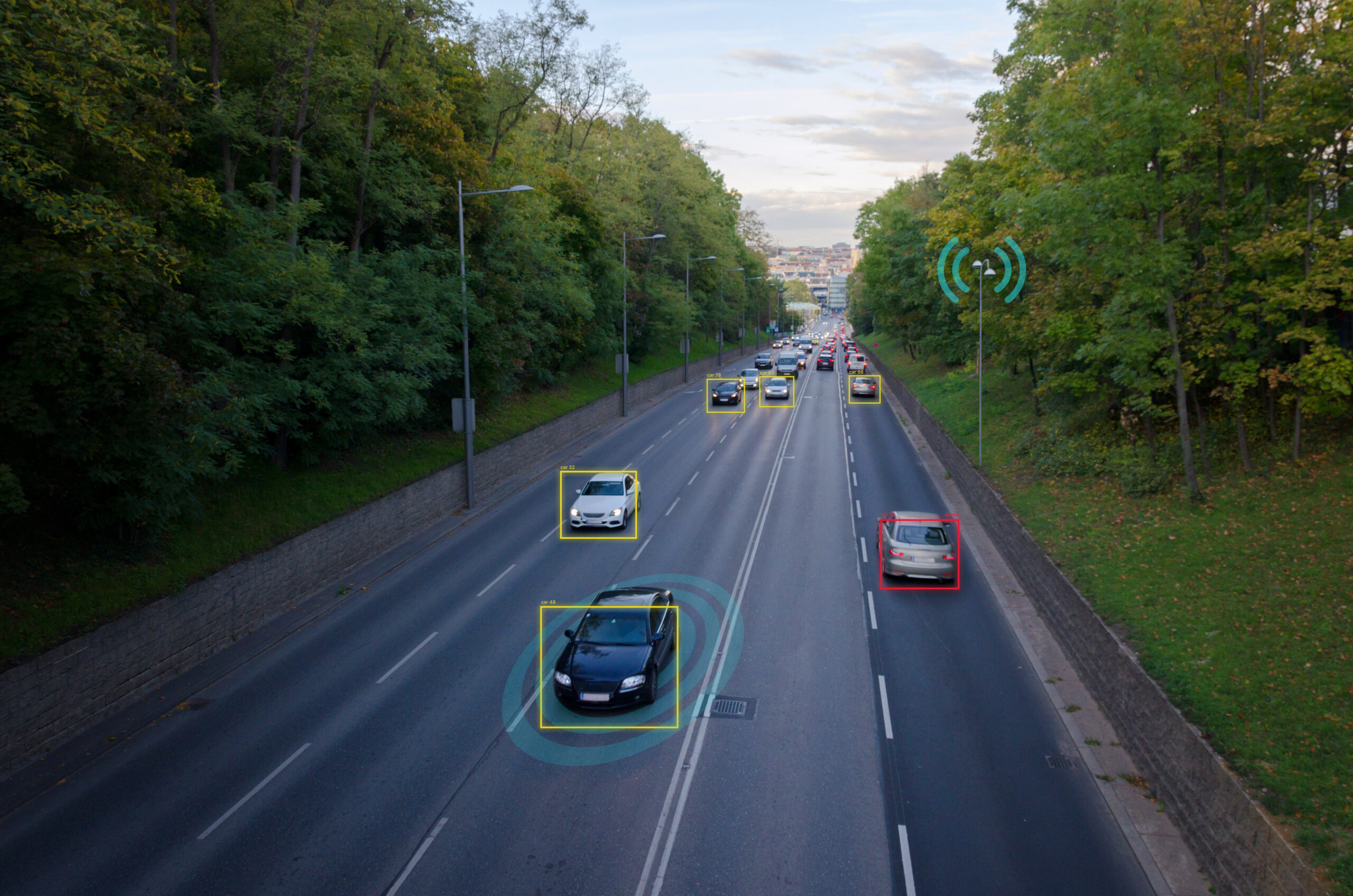
Smart City Traffic Management
Detect congestion, accidents, and debris on highways instantly.
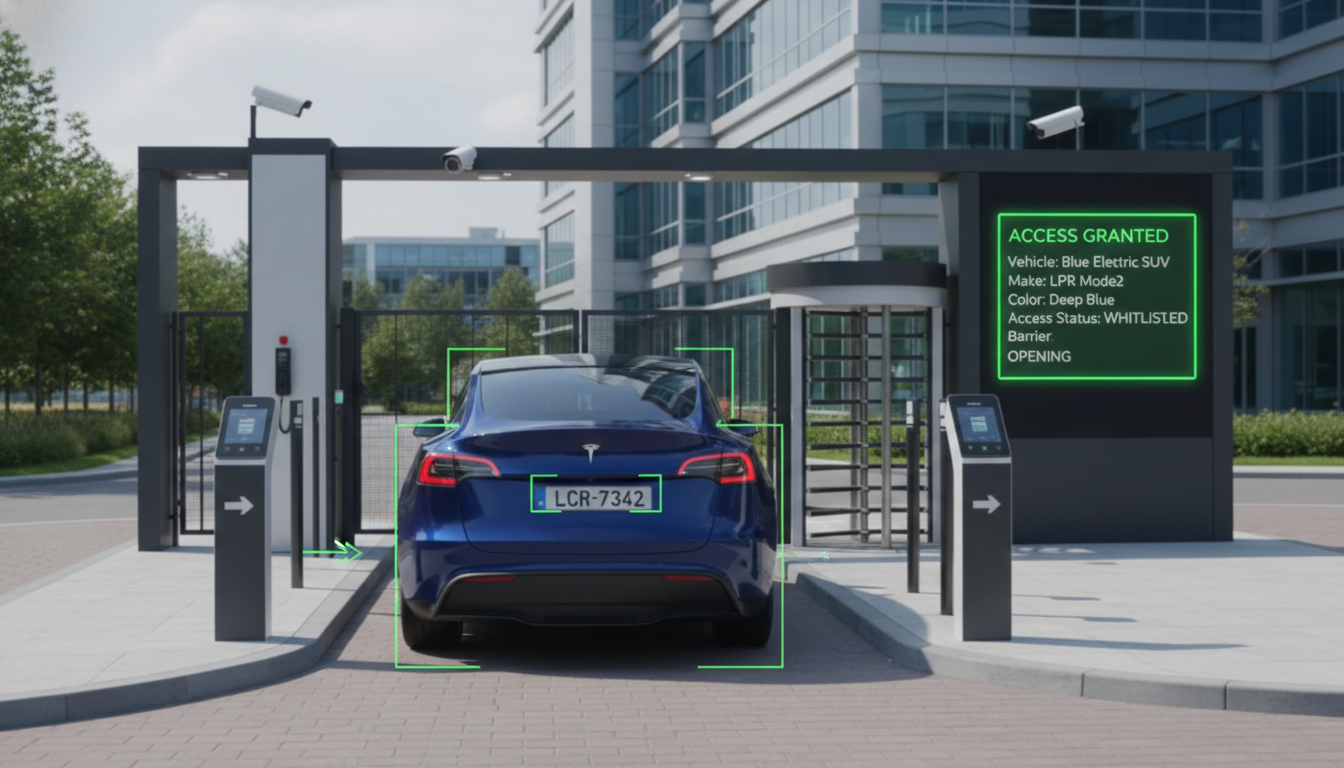
Corporate Campus Security
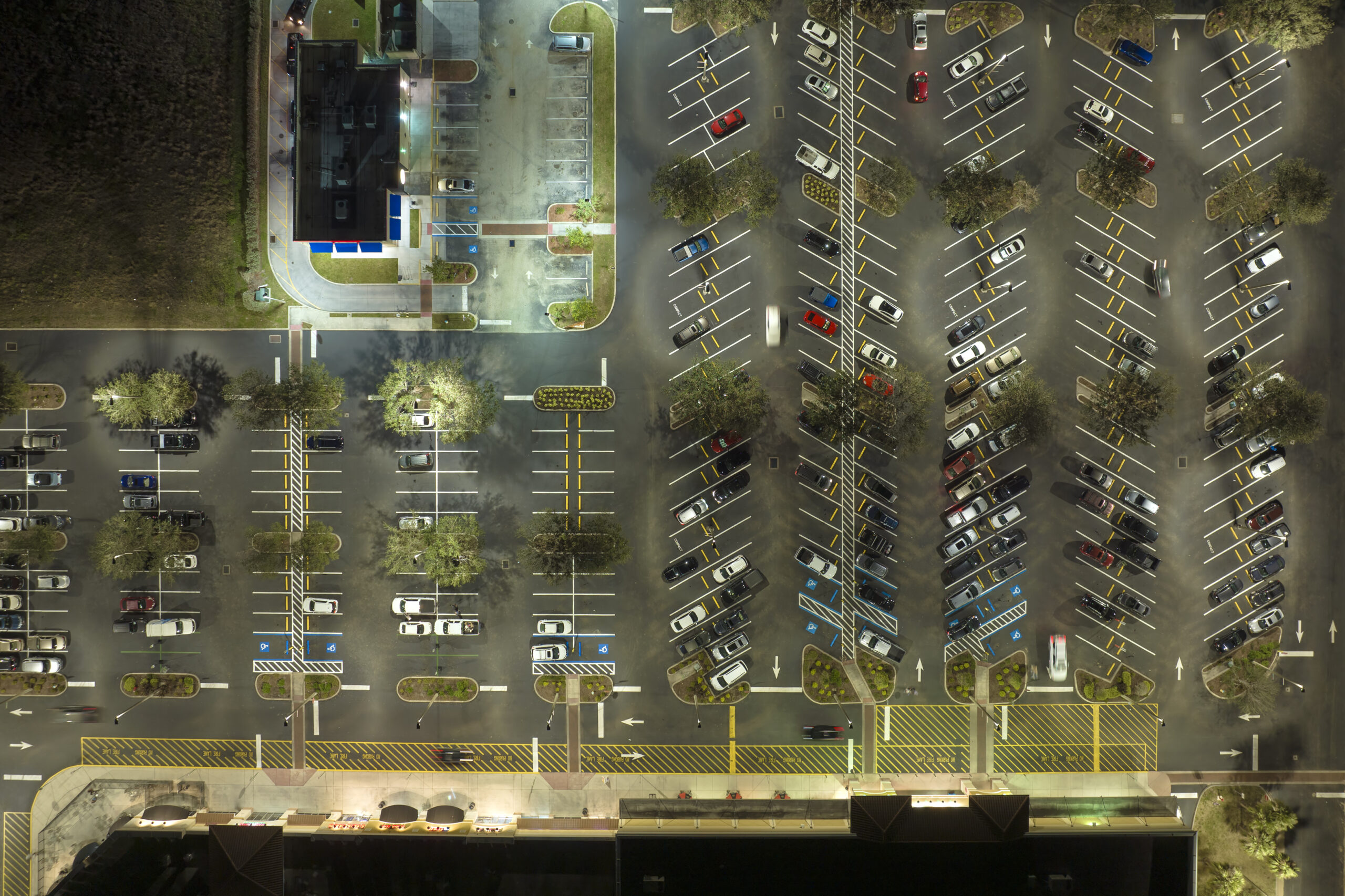
Shopping Mall Parking
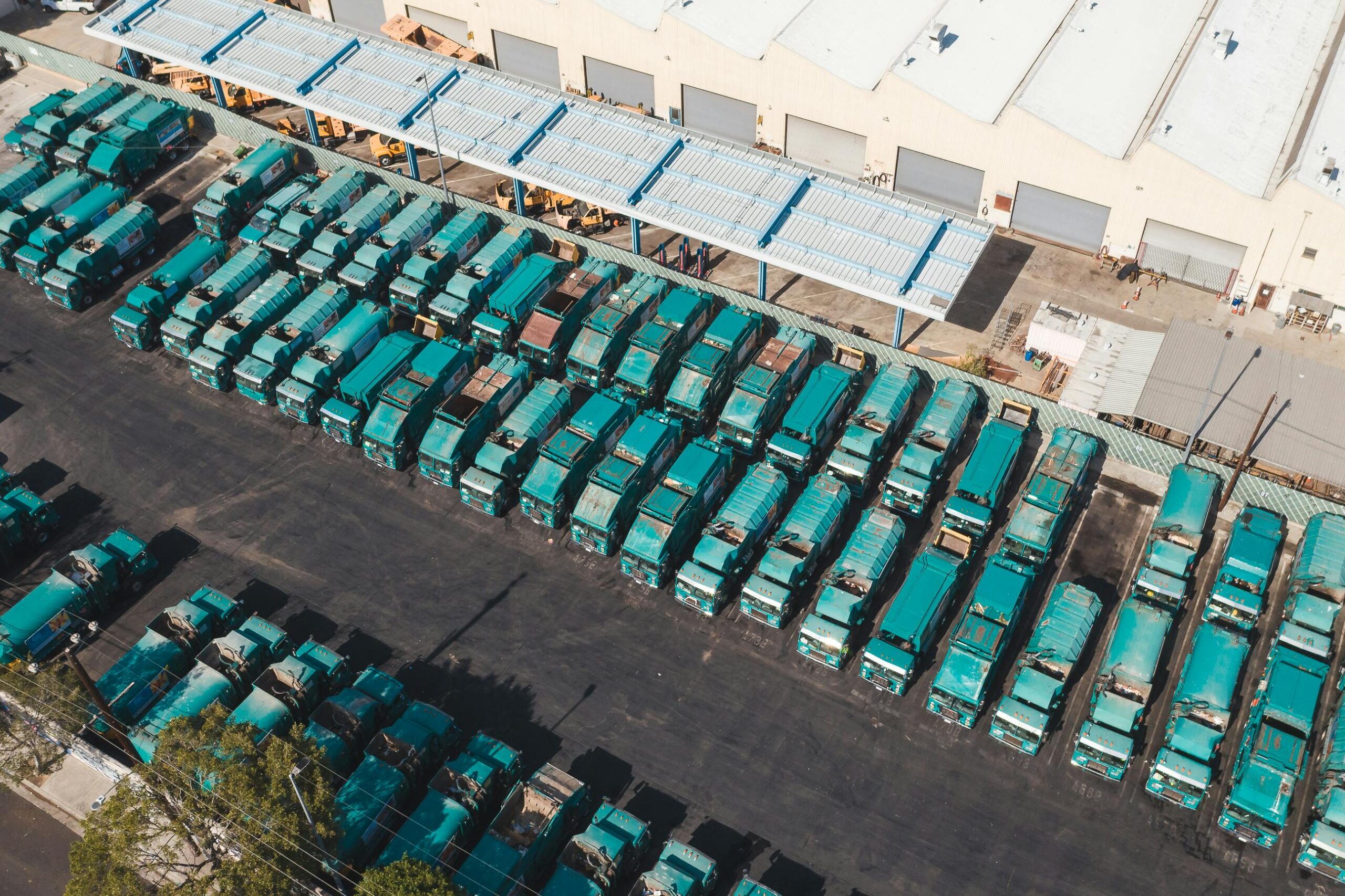
Logistics & Fleet Management
Optimize Your Recognition Performance
Positioning for LPR
Mount cameras at 15-30 degree angle to vehicle approach
Height: 8-12 feet for optimal plate capture
Ensure plates are minimum 200×100 pixels when in recognition zone
Position to minimize headlight glare and shadows
Coverage Planning
One camera per lane for best accuracy
Capture zone: 15-20 feet for clear plate recognition
Consider vehicle speeds when setting capture distance
Overlap coverage for redundancy at critical points
Environmental Considerations
Adequate lighting for clear plate visibility (300+ lux recommended)
IR illumination for night operation
Weather considerations for outdoor installations
Reduce direct sunlight and backlight interference
Positioning for Vehicle Counting
Overhead mounting perpendicular to traffic flow
Height: 15-25 feet for wide area coverage
Bird’s-eye view reduces occlusion issues
Clear view of all lanes to monitor
Coverage Planning
One camera covers 2-4 lanes depending on height
Position to see vehicles throughout entire zone
Consider turns and merging lanes
Multiple cameras for complex intersections
Environmental Considerations
Account for shadows from buildings/trees
Weather-proof cameras for outdoor use
Consider lighting changes throughout day
Frequently Asked Questions
Browse through our FAQs for clear, concise answers to your most pressing questions.
What is Obzerve Traffic?
What is AI license plate recognition (ALPR)?
Which license plates does Obzerve Traffic support?
Can Obzerve Traffic work with existing IP cameras?
What is LPR accuracy?
Ready to upgrade Your Mobility Intelligence
Experience the power of real-time AI video intelligence with Obzerve.